
Signing up for a home warranty sounds simple until you actually try to figure out what’s included. Plans vary by provider, coverage tiers differ, and the fine print can leave homeowners surprised when a claim gets denied. If you’re asking what does a home warranty cover, here are 10 things worth understanding before you commit to a plan in 2026.
1. Major Kitchen Appliances Are Usually Included
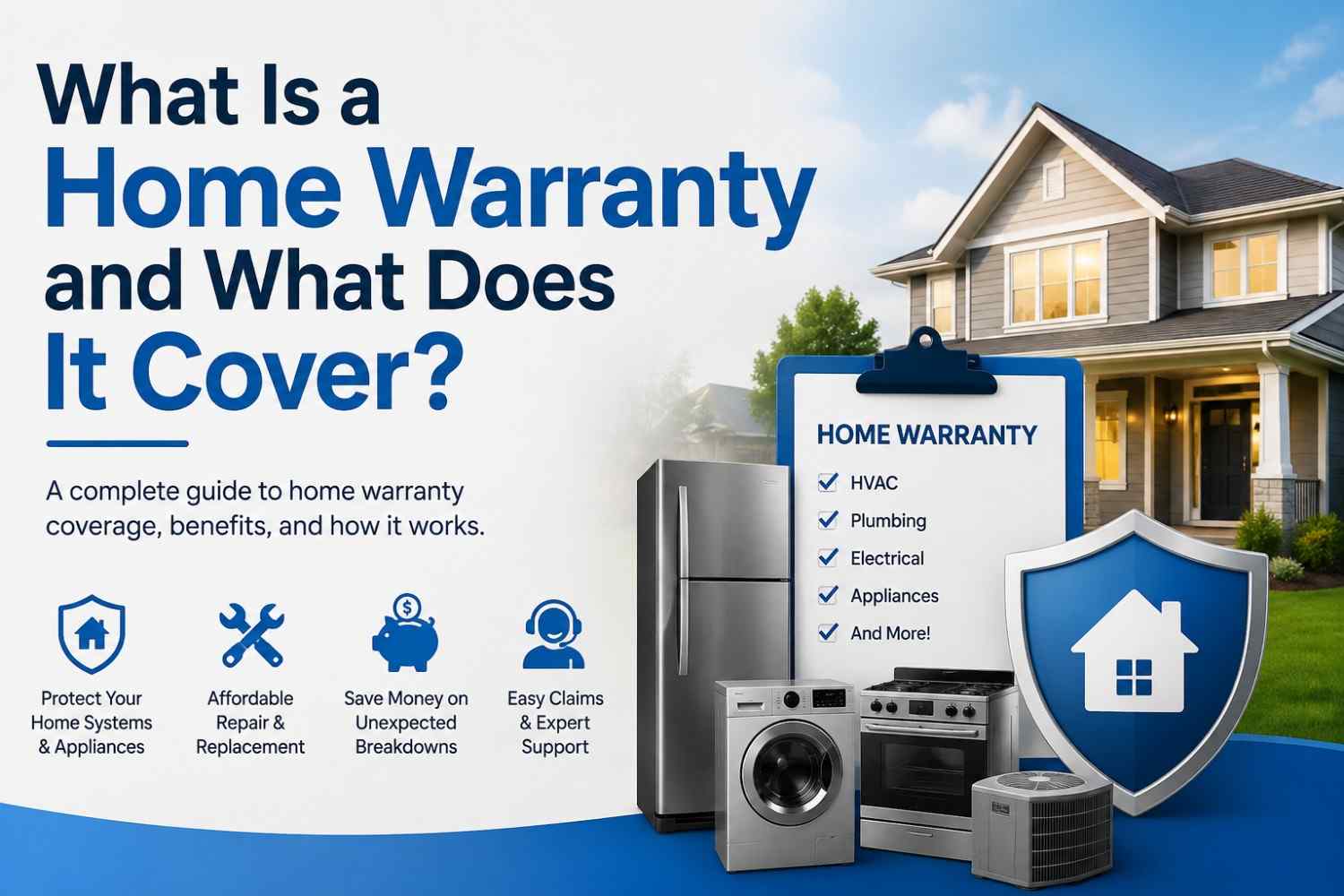
Most standard plans cover core kitchen appliances like refrigerators, dishwashers, ovens, and built in microwaves. Coverage typically applies to mechanical failure from normal wear and tear, not cosmetic issues or damage from misuse.
2. HVAC Systems Are a Core Coverage Item
Heating and cooling systems are one of the most valuable inclusions in any home warranty, since repairs and replacements for these systems can run into the thousands. Most plans cover the furnace, air conditioning unit, and ductwork, though some exclude certain components like refrigerant recharge unless you add specific coverage.
3. Plumbing Systems Have Coverage, With Limits
Plumbing coverage generally includes leaks, clogs, and failures within your home’s pipes, water heaters, and related fixtures. However, most plans draw a line at things like slab leaks, sewer lines, or septic systems unless you’ve purchased an add on specifically for those.
4. Electrical Systems Are Typically Covered
Wiring, outlets, and electrical panels usually fall under standard coverage. This includes failures caused by normal aging of the system, though issues tied to code violations or outdated wiring not up to current standards may be excluded.
5. Washer and Dryer Coverage Often Requires an Add On
While some comprehensive plans include laundry appliances automatically, many basic plans treat washers and dryers as optional add ons. If keeping these covered matters to you, check whether they’re bundled in or need to be purchased separately.
6. Garage Door Openers Are Frequently Included
It’s an easy detail to overlook, but garage door openers are commonly covered under standard plans since they’re mechanical components prone to motor failure over time.
7. Roof Leak Coverage Is Sometimes an Add On
Basic home warranty plans often exclude roof coverage entirely, or they offer only limited protection for roof leaks as a paid add on. If your roof is aging, this is worth asking about directly rather than assuming it’s included.
8. Pools, Spas, and Well Pumps Need Extra Coverage
If your property has a pool, spa, or well system, don’t expect these to be covered under a standard plan. Providers almost always require a separate add on for these items due to their higher repair costs and specialized equipment.
9. Pre Existing Conditions Are Not Covered
One of the most important things to understand about what does a home warranty cover is that it never applies retroactively. If a system or appliance had a known issue before your coverage started, any related claim will likely be denied.
10. Coverage Caps Apply to Repairs and Replacements
Almost every plan includes a maximum payout per item or per contract term. If a major system needs full replacement, you may be responsible for costs beyond the cap, so it’s worth checking these limits before you assume everything is fully covered.
Questions to Ask Before You Buy
Since coverage varies so much between providers and plan tiers, it helps to ask a few direct questions before signing anything.
- Which specific appliances and systems are included in this tier?
- What are the coverage caps for major repairs or replacements?
- Are add ons available for items like roofs, pools, or septic systems?
- What documentation is required if I ever need maintenance records for a claim?
The Bottom Line
Understanding what does a home warranty cover means looking past the marketing and into the actual contract details. Core systems like HVAC, plumbing, and electrical are usually protected, while extras like pools, roofs, and certain appliances often require additional coverage. Reading the fine print and asking the right questions before you buy puts you in a much better position when something eventually breaks down.





Leave A Comment