
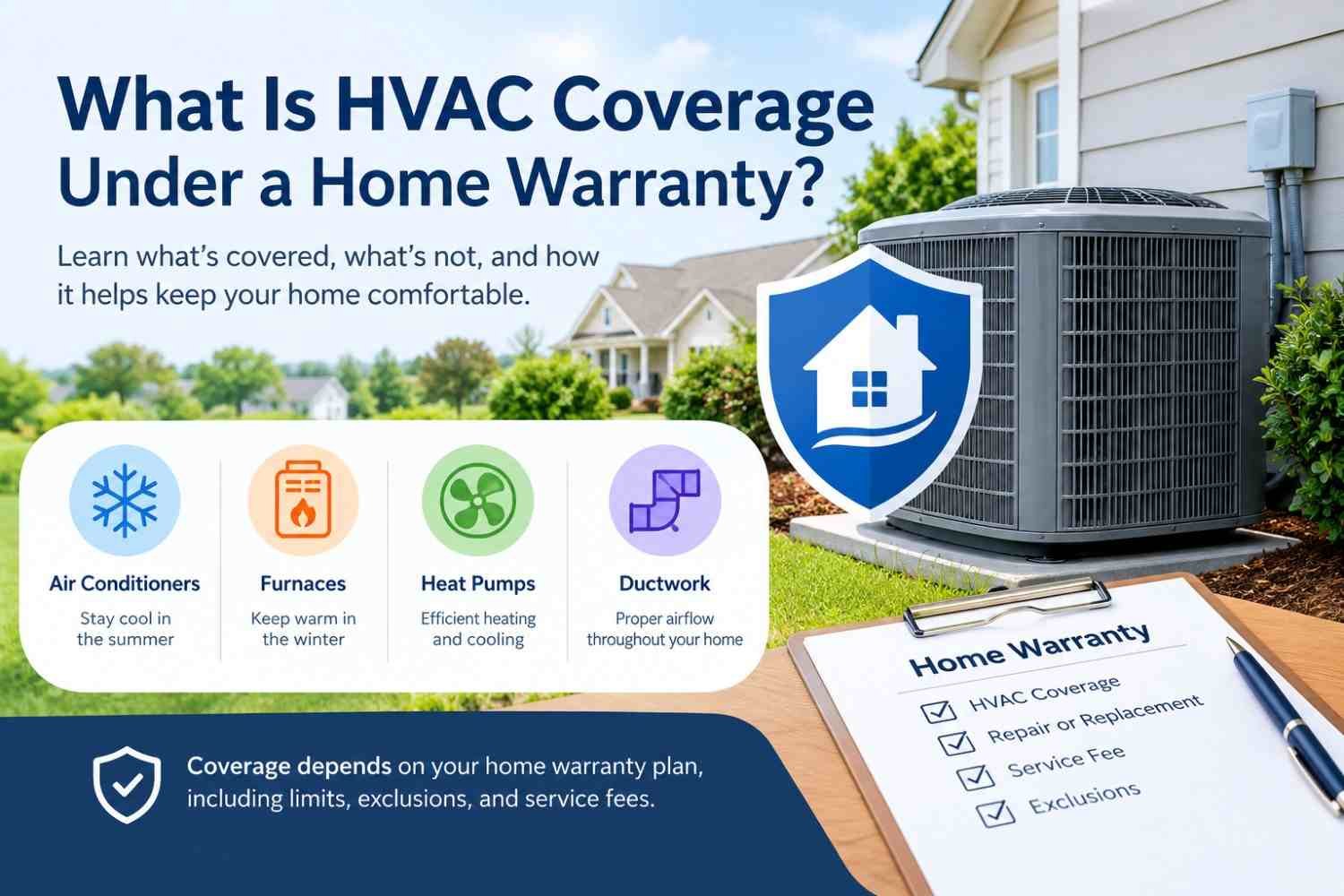
It is the hottest week of July, and your air conditioner just quit. The repair quote is $600, and a full replacement could top $7,000. In moments like this, many homeowners wish they had understood home warranty HVAC coverage before the breakdown happened.
So what does it really include? Here is a plain English guide to what you get, what you do not, and how to decide if it is right for your home.
What Is Home Warranty HVAC Coverage?
Home warranty HVAC coverage is a service contract that helps pay to repair or replace your heating and cooling system when it breaks down from normal wear and tear. You pay a yearly or monthly plan fee, plus a service fee each time a technician visits. The company then sends a licensed pro and covers eligible parts and labor.
This is different from homeowners insurance. Insurance steps in after sudden events like fire or storm damage. A warranty is built for systems that simply wear out with age.
What Does Home Warranty HVAC Coverage Include?
Plans vary, but most cover the main parts of your system:
- Central air conditioner and compressor
- Furnace or heat pump
- Blower motors and fans
- Evaporator coils and condenser parts
- Thermostat and basic controls
- Ductwork, usually with limits
Because every provider writes its own contract, home warranty HVAC coverage on one plan can look very different from another. Always read the sample contract before you buy.
What Is Not Covered
This is where homeowners get surprised, so pay close attention. Most contracts exclude:
- Problems that existed before the plan started
- Damage from poor installation or missing maintenance
- Rust, corrosion, or neglected equipment
- Code upgrades and permit fees
- Repairs above the plan’s payout limit
Many plans also cap what they pay on HVAC claims each year. If your system needs a full replacement, the limit may cover only part of the bill.
How Much Does Home Warranty HVAC Coverage Cost?
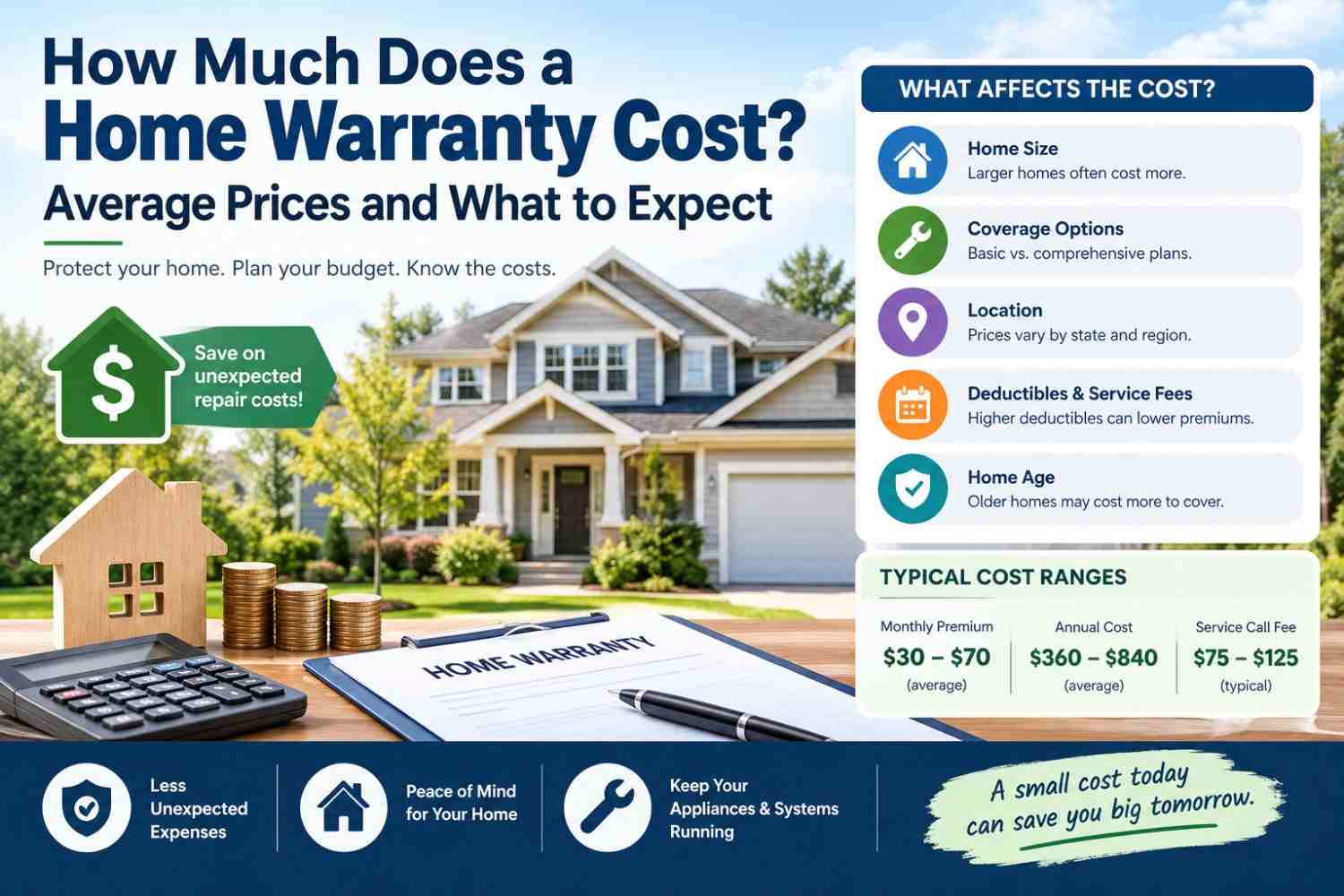
Most plans cost roughly $30 to $80 per month, depending on your state, home size, and plan level. Service fees usually run $75 to $125 per visit. Compare that with a typical AC repair, which can cost several hundred dollars, or a replacement that often reaches $5,000 to $12,000.
In other words, home warranty HVAC coverage is a trade. You pay a predictable amount now to avoid a surprise bill later.
Is Home Warranty HVAC Coverage Worth It?
It depends on your situation. It tends to make sense if:
- Your system is more than 8 to 10 years old
- You have no emergency fund for a big repair
- You just bought a home and do not know its history
- You want one trusted number to call when something breaks
It may not be worth it if your system is brand new and still under the manufacturer warranty, or if you are comfortable paying for repairs yourself. Be honest about your budget and your risk.
How to Choose the Right Plan
When comparing home warranty HVAC coverage, look past the price and check these details:
- Payout limits for HVAC repairs and replacement
- Whether ductwork, refrigerant, and thermostats are included
- Maintenance rules you must follow
- Typical response times in your area
- Customer reviews and claim approval history
A cheaper plan with a low cap can cost you more in the end.
Tips to Get the Most From Your Plan
Good habits make your home warranty HVAC coverage work harder for you:
- Change air filters every 1 to 3 months
- Schedule a seasonal tune up and keep the receipts
- Report problems early, before a small issue becomes a big one
- Keep your contract and claim records in one place
Companies can deny claims tied to neglect, so records protect you.
Frequently Asked Questions
Does a home warranty cover a full HVAC replacement?
Sometimes. If the unit cannot be repaired and the failure is covered, the company may replace it, but payout caps and exclusions still apply.
Does the plan include ductwork?
Often yes, but with limits. Check the contract for the exact wording.
Can I get coverage if my system is old?
Usually yes, as long as it is working at the start of the plan and has been maintained. Preexisting failures are not covered.
The Bottom Line
Home warranty HVAC coverage can be a smart safety net when your heating and cooling system is aging or your budget cannot absorb a surprise repair. The key is knowing what the contract covers, what it excludes, and how much it will really pay.
Take your time, compare plans, and read the fine print. Looking for more guides like this one? Explore the rest of CoverNests for clear answers on protecting your home, car, and tech.



Leave A Comment